
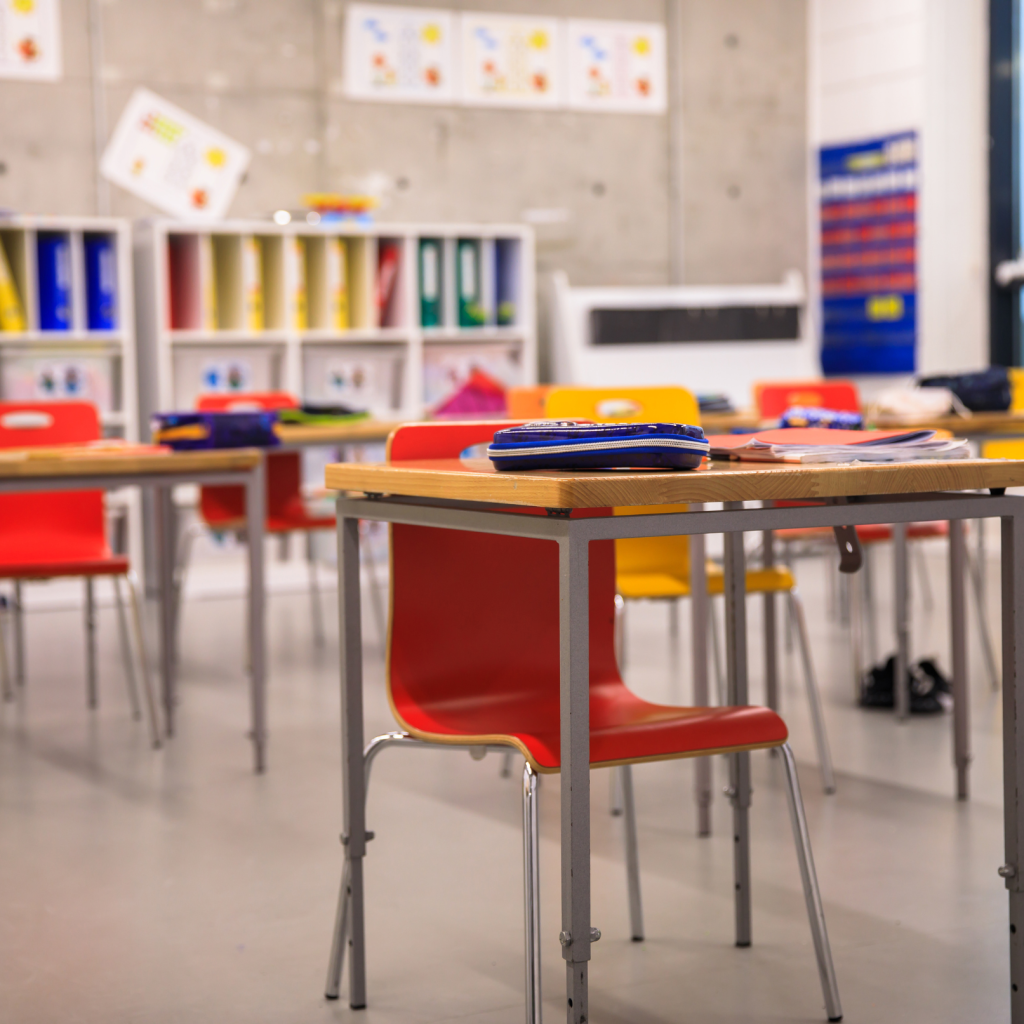
Creating a special education classroom that truly supports autistic students goes far beyond worksheets and lesson plans. It’s about building an environment where communication, independence, regulation, and confidence can grow—every single day.
As both a former special educator and a parent of a child with autism, I’ve seen firsthand what works… and what doesn’t.
If you’re setting up your classroom (or improving what you already have), here are the must-have tools and systems that make the biggest difference.
🧩 1. Visual Supports (The Foundation of Everything)
Visual supports are not optional in an autism classroom—they are essential.
Many autistic students process visual information more effectively than spoken language. When expectations are visual, students feel more confident, less anxious, and more independent.
Must-haves:
- Visual schedules (daily + mini schedules)
- First/Then boards
- Choice boards
- Communication boards
Why it matters:
Visuals reduce confusion, prevent behaviors, and help students understand what’s coming next.
👉 Classroom tip: Keep visuals consistent and accessible—students should be able to use them independently, not just when prompted.
💬 2. Functional Communication System
Every student deserves a way to communicate—whether verbal or not.
Your classroom should include multiple communication options to meet different needs.
Examples:
- Picture communication cards (PCS-style icons)
- Core word boards
- Request/help/break visuals
- Yes/No response systems
Why it matters:
When students can communicate their needs, behaviors often decrease naturally.
👉 Classroom tip: Model communication throughout the day—not just during “speech time.”
🧠 3. Calm Corner / Regulation Space
A calm corner is not a timeout space—it’s a safe place to regulate.
Many autistic students experience sensory overwhelm. Having a designated space to reset can prevent meltdowns and build emotional awareness.
Include:
- Soft seating or bean bag
- Visual calming strategies (breathing, counting, etc.)
- Headphones or sensory tools
- Emotion visuals or zones chart
Why it matters:
Teaching regulation skills is just as important as academics.
👉 Classroom tip: Teach students how to use the calm corner before they need it.
📚 4. Social Stories for Real-Life Situations
Social stories help students understand expectations in everyday situations.
They are especially helpful for:
- Transitions
- New environments
- Social interactions
- Hygiene and routines
Examples:
- Going to the doctor
- Using the bathroom
- Trying new foods
- Classroom behavior expectations
Why it matters:
Social stories reduce anxiety by making the unknown feel predictable.
👉 Classroom tip: Read social stories proactively—not just after a challenge occurs.
🧼 5. Life Skills Curriculum (Often Missing—but Critical)
Life skills are one of the most important areas in special education—but they are often overlooked.
Students need explicit instruction in:
- Hygiene (washing hands, brushing teeth)
- Daily routines
- Chores and responsibility
- Safety awareness
Why it matters:
These skills build independence, confidence, and long-term success.
👉 Classroom tip: Break skills into small, teachable steps and use visuals whenever possible.
🎯 6. Structured Routine & Predictability
Consistency is key in an autism classroom.
A structured environment helps students:
- Feel safe
- Understand expectations
- Transition more smoothly
Include:
- Clear daily schedule
- Visual timers
- Transition warnings (2-minute, 5-minute prompts)
- Consistent routines
Why it matters:
Predictability reduces anxiety and improves behavior.
📝 7. Data Tracking (Without the Overwhelm)
Tracking progress doesn’t have to be complicated—but it does need to be consistent.
Simple systems:
- Checklists
- Goal tracking sheets
- Daily notes
- Skill mastery trackers
Why it matters:
Data helps guide instruction and supports IEP goals.
👉 Classroom tip: Keep it simple so you’ll actually use it consistently.
🧡 8. A Classroom That Feels Safe and Supportive
More than anything, students need to feel:
- Understood
- Supported
- Accepted
The environment you create matters just as much as the tools you use.
✨ Bringing It All Together
A strong special education classroom isn’t built on one tool—it’s built on a system of supports working together.
When you combine:
✔ Visual supports
✔ Communication tools
✔ Life skills instruction
✔ Regulation strategies
You create a classroom where students can truly thrive.
🛍️ Looking for Ready-to-Use Autism Supports?
If you’re building your classroom and need structured, easy-to-use resources, I’ve created tools based on both my experience as an educator and my journey as an autism parent.
These include:
- Visual communication systems
- Life skills activities
- Social stories + companion packs
- Full classroom support bundles
👉 Explore the full collection here:
Special Education Autism Bundle | Complete Elementary SPED System
https://avahasautism.etsy.com/listing/4470357443
https://avahasautism.etsy.com/listing/4468819156
💬 Final Thoughts
You don’t need a perfect classroom—you need a purposeful one.
Start with the essentials, build slowly, and focus on what truly supports your students.
Because when the environment is right… everything else becomes easier.
— Teika, creator of Ava Has Autism
 Ava Has Autism
Leave a comment