
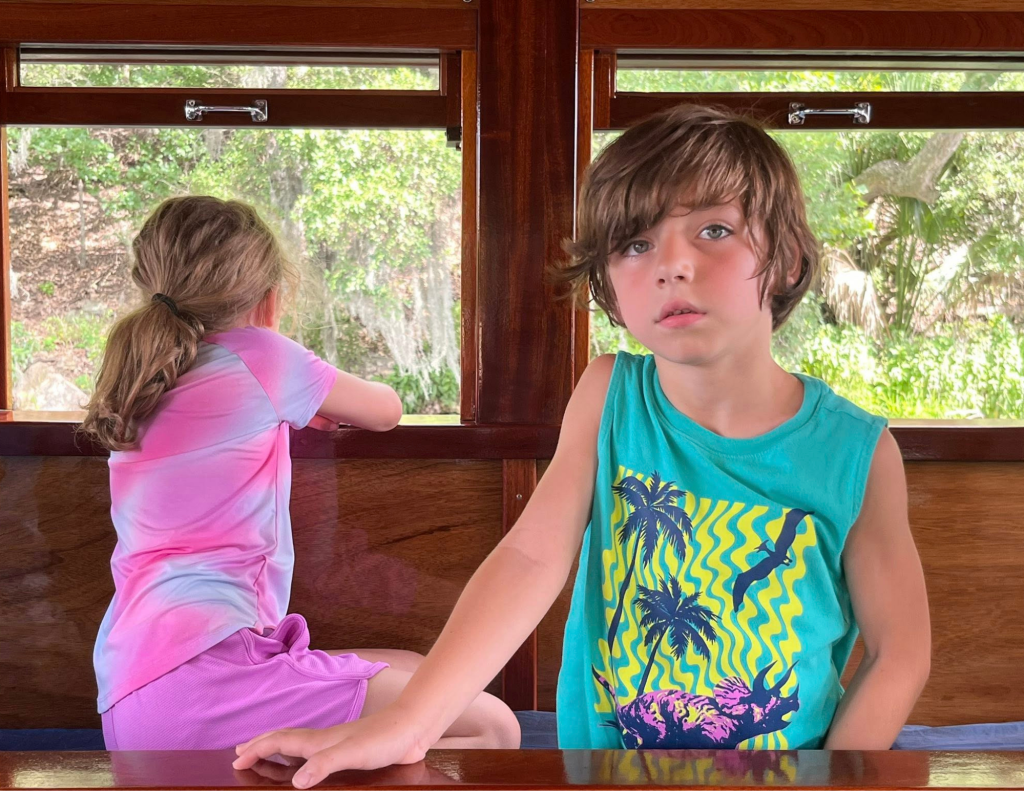
Eli has an incredible amount of patience.
Not the kind that’s taught in moments of calm — the kind that’s learned quietly, over time.
He waits.
He adjusts.
He understands without being asked to.
From an early age, Eli learned that Ava needs more time, more support, more attention. Not because anyone chose favorites, but because that’s what love required. He watches routines slow down. He feels conversations pause. He senses when the room shifts — and he adapts.
His patience isn’t forced.
It’s generous.
It’s kind.
It’s rooted in love.
But patience like this doesn’t come from nowhere.
The Sibling Who Learns to Wait
Children like Eli learn to wait in ways that often go unnoticed.
They wait for their turn to speak.
They wait while parents regulate another child’s big feelings.
They wait through appointments, transitions, and emotional moments that aren’t theirs — but still shape their world.
They don’t complain much.
They don’t demand attention loudly.
They don’t always say when something feels unfair.
Instead, they learn to be “easy.”
Not because they are unaffected — but because they understand.
And that understanding, while beautiful, can be heavy.
When Needs Look Small but Feel Big
Eli’s needs don’t look urgent from the outside.
He doesn’t melt down.
He doesn’t require constant support.
He doesn’t ask for much.
But quiet needs are still needs.
The need to feel chosen.
The need to be noticed without asking.
The need to take up space without guilt.
The need to be upset without feeling like it adds stress.
Children who learn patience early often learn something else alongside it:
How to make themselves smaller.
Not because they should — but because they love deeply.
What Siblings Like Eli May Be Feeling (But Not Saying)
Siblings of autistic children often carry thoughts they don’t voice:
- “I don’t want to make things harder.”
- “I’ll handle it myself.”
- “My turn can wait.”
- “They need you more than I do.”
These thoughts aren’t dramatic.
They’re quiet.
And they form slowly.
Eli doesn’t lack confidence or security — but like many siblings, he has learned to be aware of everyone else before himself.
That awareness deserves care.
How Parents Can Meet the Needs of the Child Who Waits
Supporting a child like Eli doesn’t require grand gestures.
It requires intentional presence.
Here are ways parents can gently meet the needs of siblings who are patient:
• Name what you see
Let them know their patience is noticed — not expected.
“I see how patient you are. That matters to me.”
• Create protected one-on-one moments
Even short moments where nothing else competes send a powerful message.
• Let them be upset without fixing it
They don’t always need solutions — sometimes they need permission to feel.
• Reassure them they don’t have to be “the easy one”
They are allowed to need support too.
• Celebrate them without comparison
Not as “the helper” or “the understanding one” — but as themselves.
Love Is Not Divided — It’s Expanded
Loving a child who needs more does not mean loving another child less.
But sometimes, one child learns to wait so well that we forget they’re waiting at all.
Eli’s patience is a gift — but it should never come at the cost of visibility.
The sibling who waits deserves to be seen, chosen, and held just as intentionally.
Because patience should never mean invisibility.
🌱 Bonus Reflection for Parents
If you’re reading this and recognizing your own child in these words, you’re not alone.
Siblings who learn to wait often carry their patience quietly. This reflection page is a gentle invitation to pause, notice, and intentionally create space for the child who doesn’t always ask for it.
This printable reflection page is designed to help you:
- Notice the quiet ways your child shows patience
- Reflect on how they express needs (spoken or unspoken)
- Identify small, meaningful ways to choose them intentionally
- Reassure them that their needs matter too
There is no guilt here. Only awareness.
And awareness is love.
👉 Download the printable reflection page below and take a moment just for you—and for the child who waits.
 Ava Has Autism
Leave a comment